
Abuse & Trauma History
Process the past safely and reclaim your sense of power
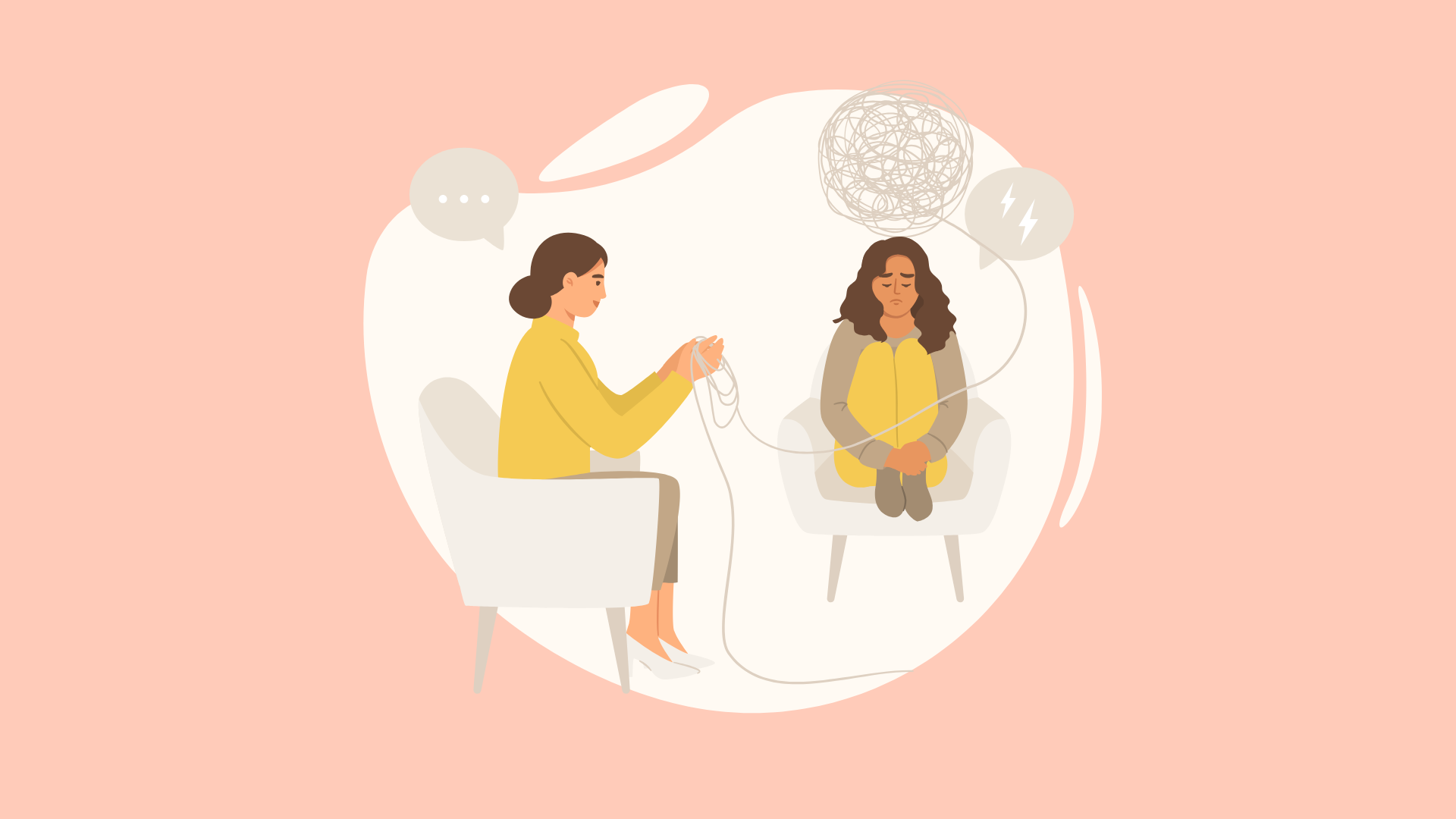
Abuse leaves deep imprints — on our body, mind, and sense of self.
Whether the harm was emotional, physical, sexual, or psychological, its effects can linger long after. This space helps you name what happened, understand its impact, and begin rebuilding safety and trust — with compassion and care.
Understanding Abuse:
What Happened Was Not Your Fault
- Definitions and types of abuse (emotional, physical, sexual, spiritual)
- How trauma memories get stored
- Common trauma responses (fawn, freeze, dissociation)
- Self-blame and internalized shame: what the research says
- Safety tips for revisiting the past gently
You Were Not Too Sensitive — You Were Surviving
2–5 min. A trauma therapist explains how abuse distorts self-image, with an invitation to start separating your identity from your experience.

Mini-Course:
From Surviving to Reclaiming
A 5-day journey toward reclaiming safety, identity, and voice
Modules:
- Naming what happened — and validating it
-
Understanding trauma responses (fight/flight/freeze/fawn)
-
Building an inner protector (vs. critic)
-
Anchoring safety in the body
-
Reconnecting with lost parts of self
Journal Prompts
What did I have to do to survive — and how can I thank myself now?
What do I wish someone had said to me back then?

Audio:
A Safe Space Visualization for the Inner Child
Peer story:
"How I Stopped Blaming Myself for What They Did"
Downloadable:
Boundary affirmation cards

I have never considered myself an artistic person, but after 3 courses, I have gotten out of my own head and created several pieces I’m proud to display.
____ Mike Brody
I have never considered myself an artistic person, but after 3 courses, I have gotten out of my own head and created several pieces I’m proud to display.
____ Mike Brody

HEY, I'M MAX!
From a young age, I learned that I could use my artistic talent to express myself in new and exciting ways. I can’t wait to help you uncover your inner creative.

1. Info Sheet (PDF Download):
Title: Trauma & Relationships: What You Need to Know
Includes:
- How trauma shapes attachment styles
- Common relational patterns from unresolved trauma
- Signs of trauma-based connection vs. healthy intimacy
- A checklist: “Are my boundaries trauma-informed or fear-driven?”
2. Short Video:
Title: Why We Push Away What We Want Most
2–5 min explainer by a therapist or founder — includes metaphors and examples (e.g., “the porcupine dance”)
3. Mini-Course:
Title: 5-Day Relationship Reset
Description: A trauma-informed micro-course to help you:
- Identify one trauma-driven pattern
- Strengthen boundaries with compassion
- Practice nervous system regulation in moments of conflict
- Learn to ask for what you need without guilt
- Start trusting again — one moment at a time
4. Reflection Prompt / Journal Exercise:
- “What would a safe relationship feel like to your body?”
- “When do I abandon myself to keep peace?”
Optional Add-ons:
- A short audio meditation: Safety in Connection
- Peer story: “How healing my trauma helped me show up differently in love”

GET THE FREE GUIDE
WHAT MAKES THE PERFECT STUDIO?
Just starting your creative journey? The right space can make all the difference. Use this free guide to design the perfect art studio.
