
Welcome to Trauma Gym: A space to work out your emotional resilience
Jan 02, 2026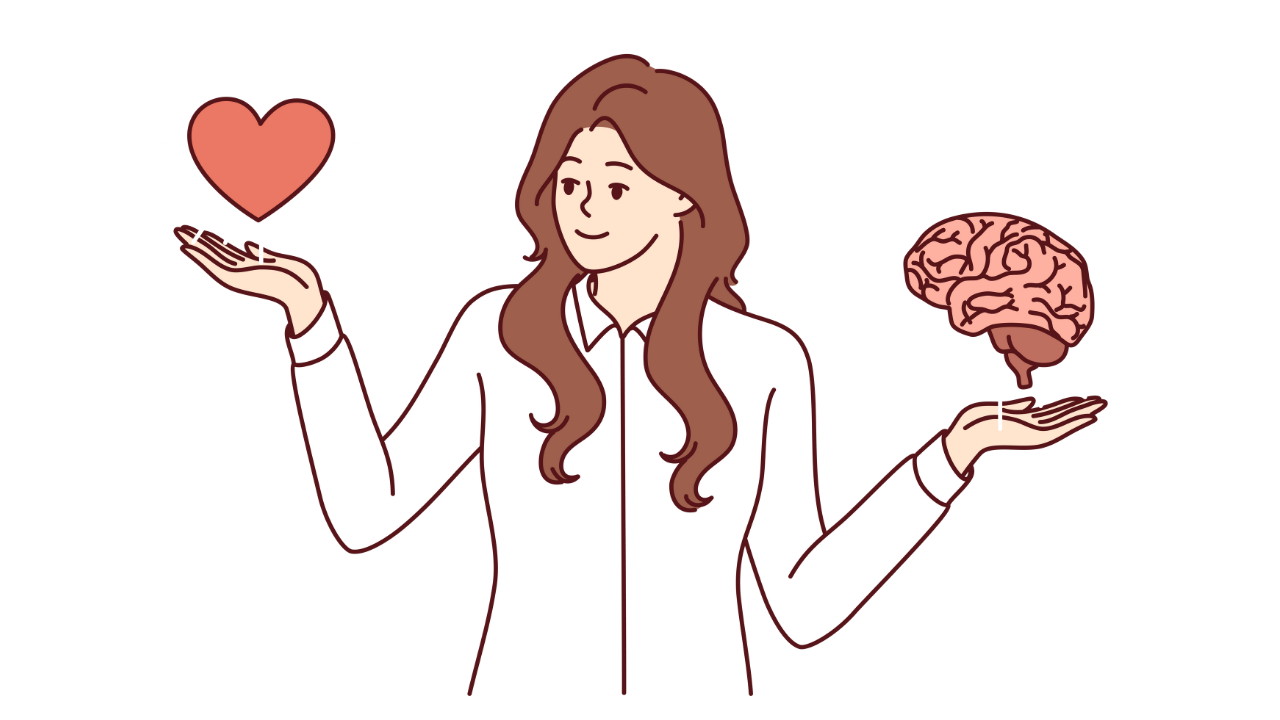
Welcome to Trauma Gym — a space where you can learn about how trauma impacts you, take healing into your own hands, get professional support where you need it and connect with others who care about their emotional well-being. We include everything from a resource hub to a clinic to community groups. Just as a physical gym works out your body, we help you to work out your emotional resilience — one conscious breath, reflection, and connection at a time.
Why We Created Trauma Gym
So many of us hear about trauma but feel lost when it comes to it’s imprint on our lives. How does it affect the nervous system? Relationships? Functioning? So many of us want to get help or try a healing method but are unsure of where to look. Trauma Gym provides you with a foundation of resources, including clinical help. It’s a space for people who are tired of surviving alone and want to get on that healing journey.
The Whole Self: Mind, Body, Emotion
One core teaching that inspires Trauma Gym is the idea that healing trauma isn’t just in the mind. It involves the body, the brain, the emotions, and how they all interrelate. Several leading thinkers have shaped this view: Bessel van der Kolk, Peter Levine, and Gabor Maté.
What That Means for Healing (and for Trauma Gym)
From these thinkers, we draw these key implications:
-
Safety in the body is foundational. If someone doesn’t feel safe inside their own body (physically, viscerally, safety of sensations), then cognitive or purely “talk” work will be limited. Trauma Gym works to help people reestablish safety in body + nervous system first.
-
Emotion is as real and essential as thought. Emotions are signals, often embodied; they can’t always be “solved” by thinking. Part of healing is learning to feel, to sense, to tolerate, to allow what is.
-
Healing is experiential, not just intellectual. Movements, breath, somatic practices, body awareness, regulation — these are not “extras,” they are central. As Peter Levine emphasises, healing often involves accessing bodily sensations and allowing the body to complete what got interrupted.
-
Empathy and connection matter deeply. Maté’s and Levine’s work both underscore that trauma doesn’t just happen in isolation — the presence (or absence) of caring relationships, witnessing, validation makes a huge difference.
-
Integration: mind, body, and emotion together. A healing path that focuses on only one domain (just thoughts, or just physical postures, or just “emotional release”) tends to leave parts of the suffering untreated. Trauma Gym aims to bring all those domains into a coherent, responsive practice.
A New Kind of Healing Space
Trauma Gym is more than a clinic or a program. It’s a movement — an invitation to step into your healing with gentleness and courage.
Whether you’re a therapist, a seeker, a community leader, or simply someone trying to make sense of your story — there’s space for you here.
We are building a community grounded in truth, compassion, and connection. Because healing isn’t just about getting better — it’s about becoming whole, together.
Healing Insights, Straight to Your Inbox!
Reflections, tools, and practices to nurture mind, body, and spirit.
We hate SPAM. We will never sell your information, for any reason.